


Mexico City (CDMX) is an incredible travel destination, one that is affordable, culturally rich, and vibrant year-round. Planning a trip? Here’s a curated guide to help you experience the heart of Mexico’s history, art, and food scene.
Suggested Itinerary
Day 1: Arrive in CDMX + explore the Historic Center
Day 2: Coyoacán + Roma Norte
Day 3: Grutas Tolantongo (Hidalgo) day trip
Day 4: Market tour + museum day
Honorable Mentions
I visited many of CDMX’s major attractions during an earlier trip in the 2000s, so I didn’t revisit them this time around. If it’s your first visit, these are absolutely worth adding. You can even book full-day tours that combine multiple stops—just add an extra day or swap them into your itinerary.
Frida Kahlo Museum (La Casa Azul)
Step into the vibrant world of Frida Kahlo at her former home, now a museum. This colorful, intimate space offers a glimpse into her life, art, and the culture that shaped her work.
Teotihuacán Pyramids
Located just outside the city, the ancient ruins of Teotihuacán are a must-see. Climb the pyramids (where permitted) and take in sweeping views while exploring one of Mesoamerica’s most impressive archaeological sites.
Xochimilco Canals
Drift through the historic waterways of Xochimilco on a colorful trajinera (gondola). It’s a lively, uniquely CDMX experience with music, food, and floating gardens rooted in Aztec history.
Lodging
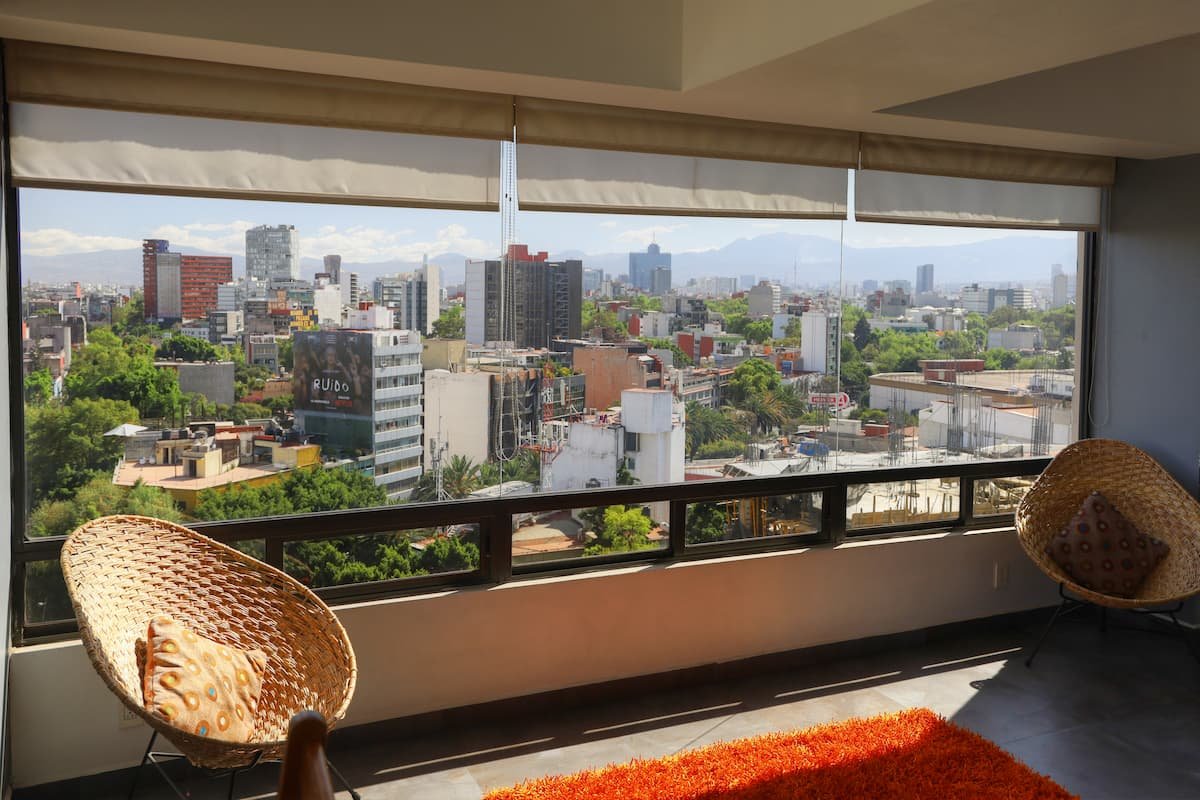
Several neighborhoods in Mexico City are known for being safe, walkable, and full of character: Coyoacán, Polanco, Condesa, and Roma Norte are all great options.
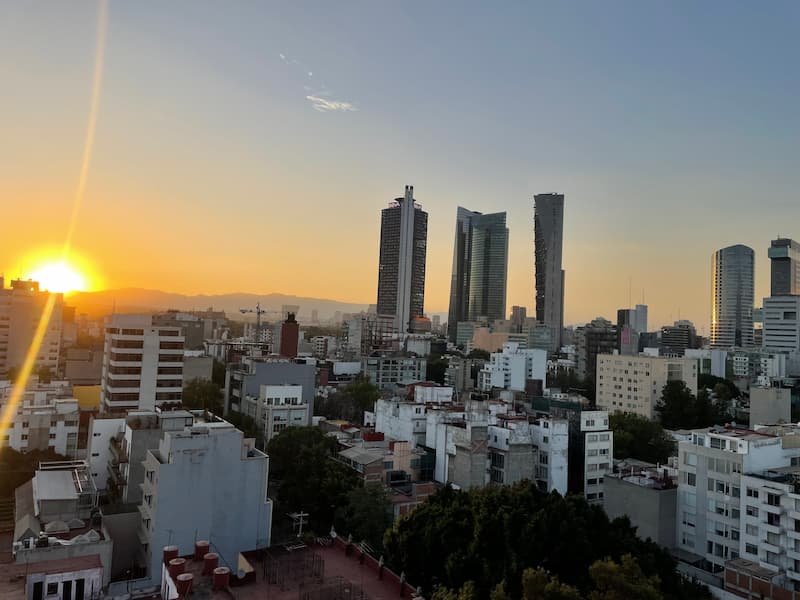
For my stay, I chose an Airbnb in Roma Norte, a lively, centrally located neighborhood filled with cafes, parks, and restaurants. It’s just a short walk to Condesa and about a 10-minute rideshare to the historic charm of Centro Histórico, making it an ideal home base for exploring the city.
Transportation
Rideshares (Uber, Didi)
Mexico City is known for heavy traffic, so it’s worth planning your outings around rush hour when possible. The easiest and most reliable way to get around is by using ride-sharing apps like Uber or DiDi.
While taxis are available, they tend to be less secure and often more expensive. Thankfully, rideshares are very affordable—an airport transfer to central neighborhoods typically costs around $5–10 USD, depending on traffic.
Turibus
For a more relaxed, scenic way to explore the city, consider hopping on the Turibus. This open-top, double-decker bus loops through major neighborhoods and landmarks, offering a fun way to get oriented while enjoying great photo opportunities along the way.
Day 1: Arrive in CDMX and Explore the Historic Center
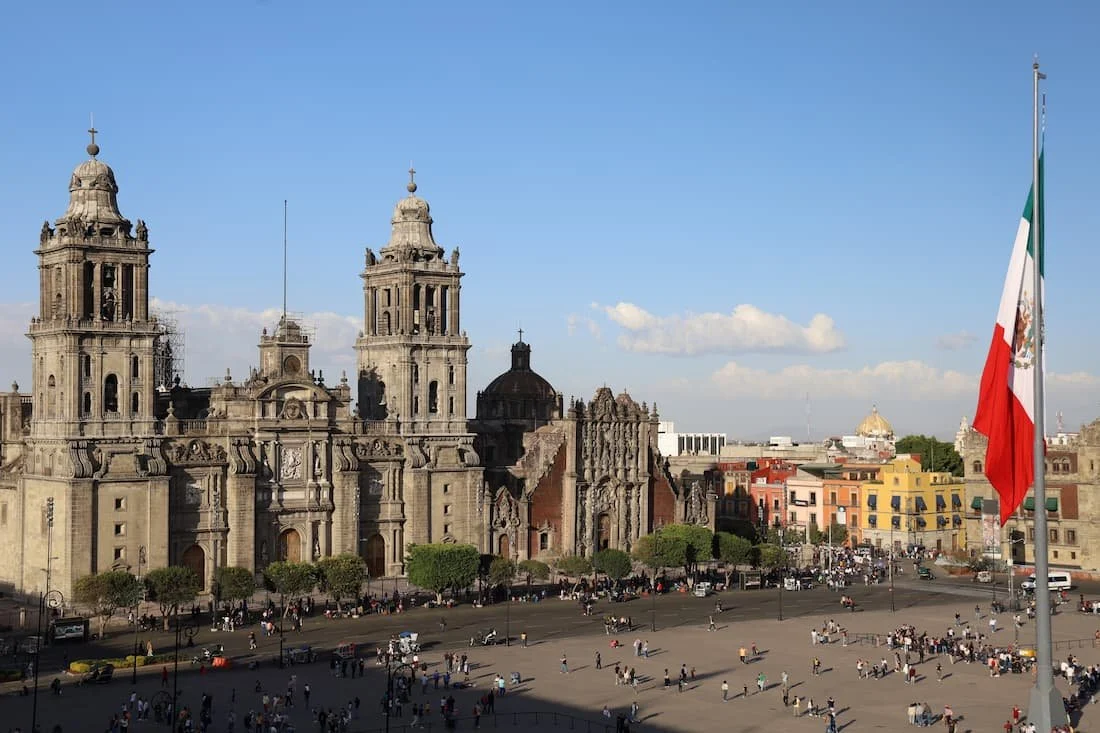
The Zocalo in Centro Histórico is the largest plaza in Latin America
Centro Histórico, the heart of Mexico City, is a vibrant mix of history, architecture, and culture. It’s the perfect place to start your trip, especially since many of the city’s most iconic landmarks are within easy walking distance of one another. Plan to spend the afternoon wandering, popping into museums, and soaking in the energy of the city.
Palacio de Bellas Artes

The Palacio de Bellas Artes (Palace of Fine Arts) is pure architectural eye candy, blending Art Nouveau elegance on the exterior with Art Deco design inside. The white-marble structure is one of the city’s most iconic landmarks, housing a grand concert hall, cultural center, and a collection of murals by renowned Mexican artists, including Diego Rivera.
Tip: For an Instagram-worthy view, head to Café Finca Don Porfirio, located on the top floor of the nearby Sears building. It offers one of the best vantage points overlooking the palace—perfect for photos (and a coffee break).
Gran Hotel Ciudad de México
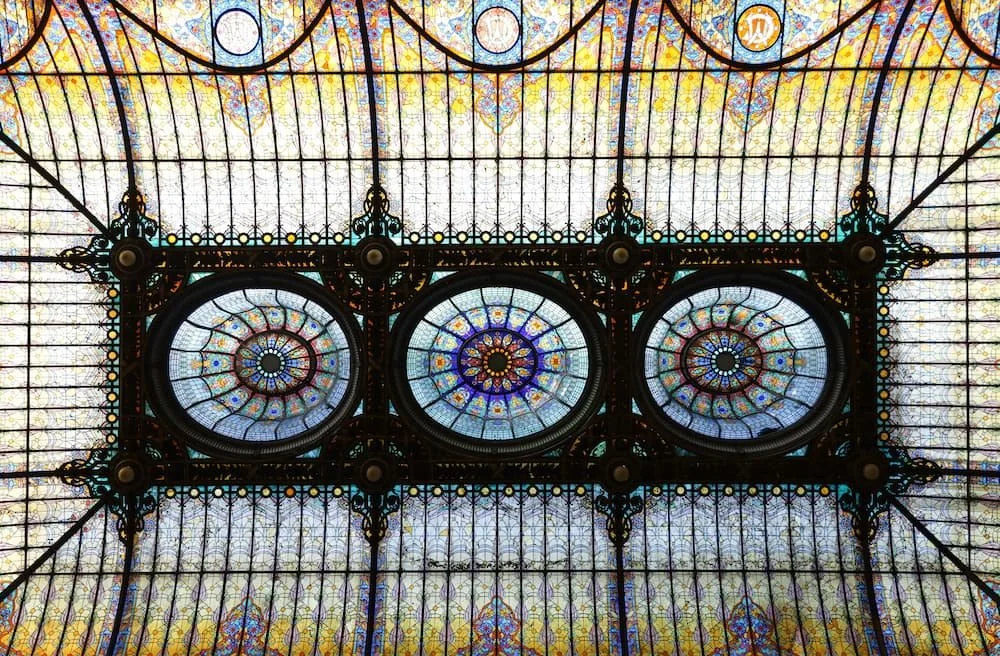
The Gran Hotel Ciudad de México is a true architectural gem, set within a stunning French-style building in the heart of the city. Step inside and you’ll be greeted by its breathtaking central atrium, crowned by an ornate stained-glass ceiling—one of the hotel’s most iconic features. It’s often compared to the famous dome at Galeries Lafayette in Paris, and it’s just as mesmerizing in person.
Tip: Head up to the rooftop bar and restaurant for sweeping, 360-degree views over the Zócalo—one of the largest and most historic public squares in the world. Perfect for a drink with a view.
Azul Histórico Restaurant
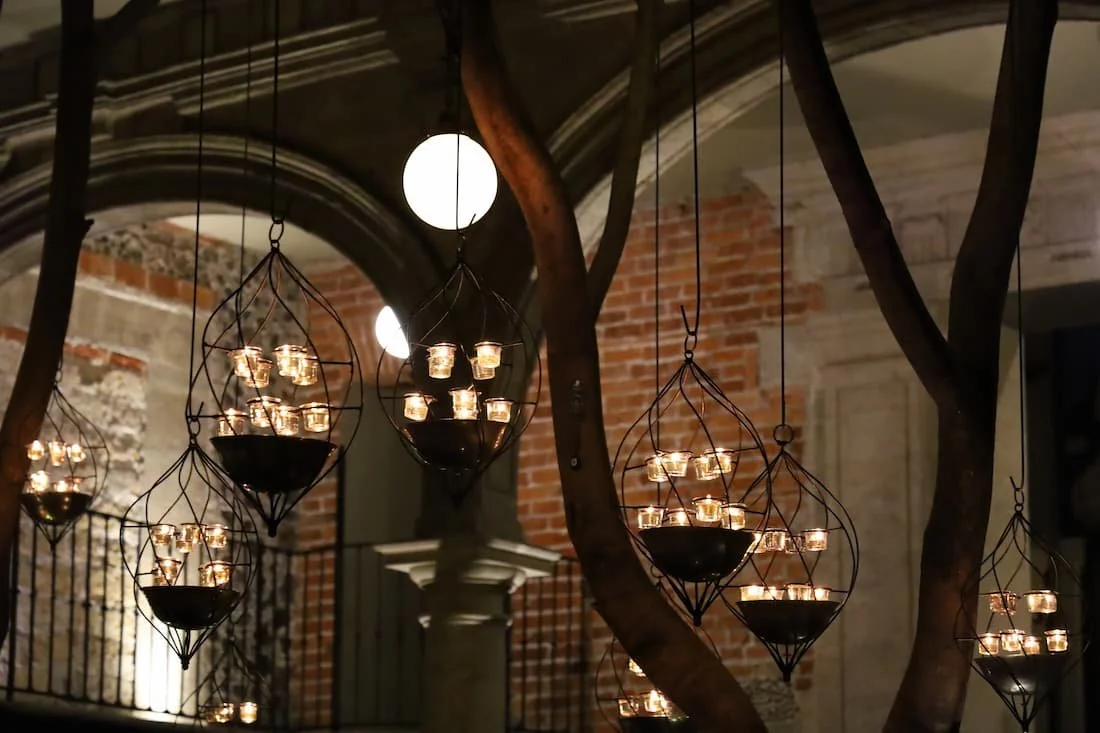
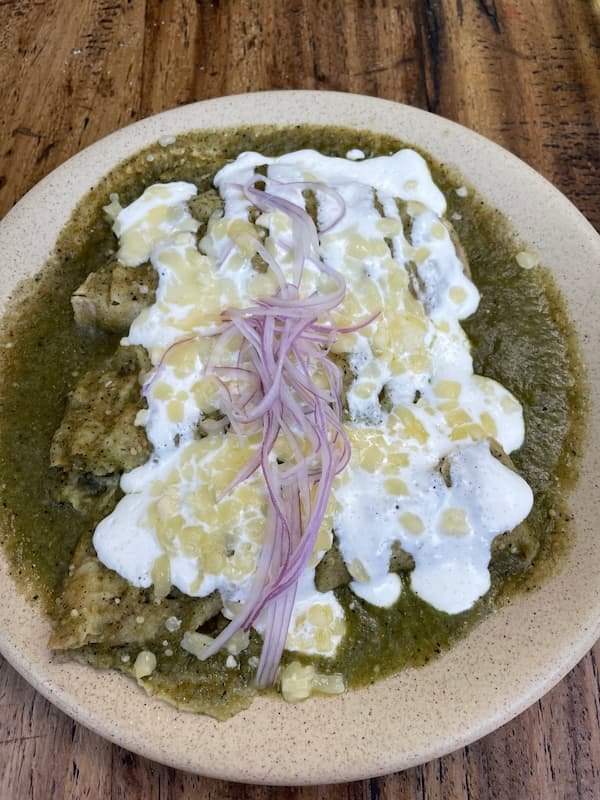
This might be considered a more “touristy” spot, but I genuinely loved my dinner at Azul Histórico. Everything—from the ceviche and fresh guacamole to the mezcal tasting—was exceptional. My personal favorite? The hibiscus enchiladas, which were just as memorable as the setting itself.
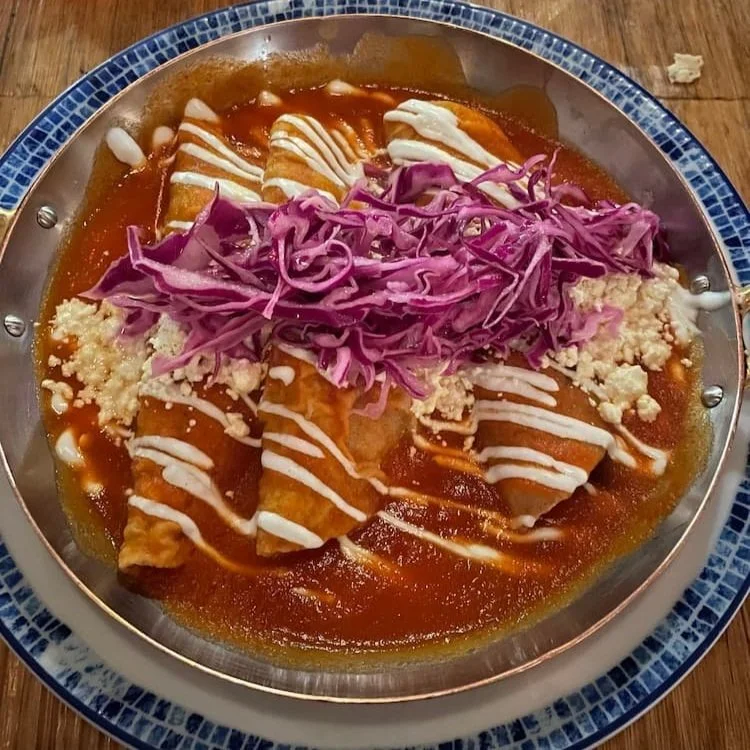
Hibiscus enchiladas
The restaurant’s ambiance is just as memorable as the food, with an interior that channels the charm of colonial Mexico such as exposed brick walls, rustic wooden beams, and antique furnishings that create a warm, atmospheric setting.
Other Historic Center Attractions


Other Places to Explore in Centro Histórico
If you have extra time, these spots are also worth adding to your list—all within easy reach of one another:
Palacio Postal - An ornate, lesser-known architectural gem with stunning interiors.
Balcón del Zócalo (at Zócalo Central Hotel) - A rooftop bar and restaurant with incredible views over the main square.
Torre Latinoamericana -Head to the top for panoramic views of the city skyline.
Museo Nacional de Arte - A beautiful museum showcasing Mexican art across centuries.
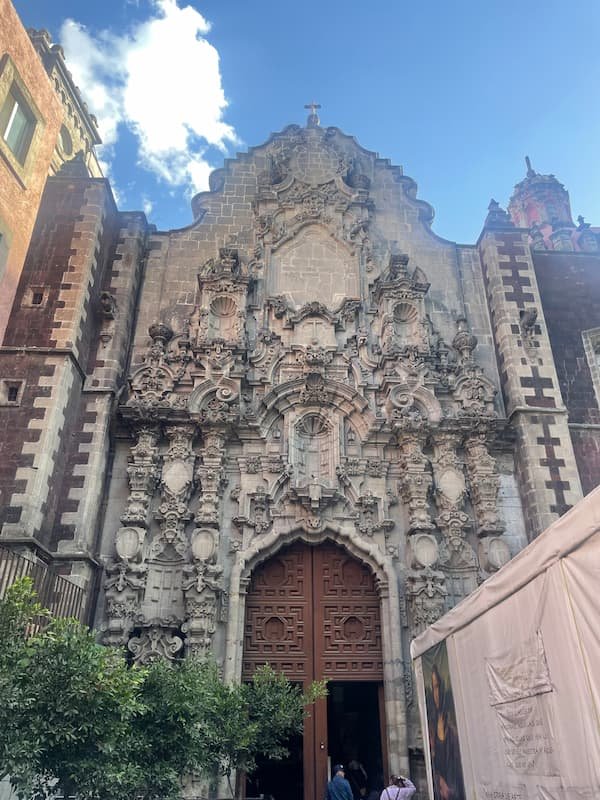
Convento Grande de San Francisco - A quieter historic site with remnants of colonial-era architecture.
Day 2: Explore Coyoacán + Roma Norte
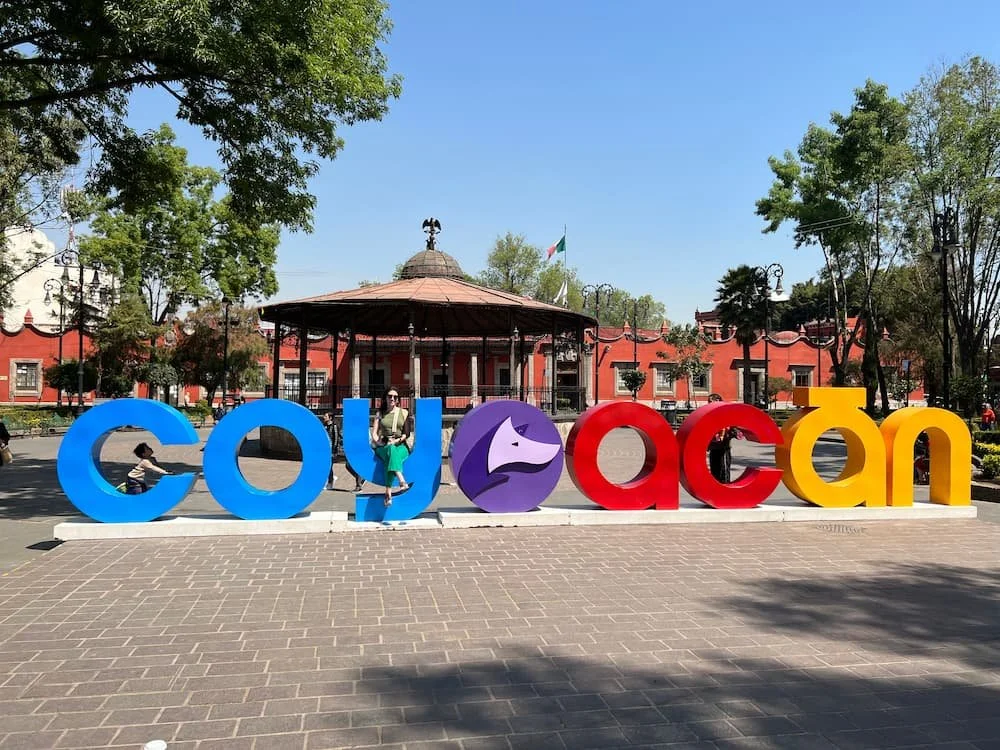
Nestled in the southern part of Mexico City, Coyoacán is a culturally rich, bohemian neighborhood known for its colorful streets, historic plazas, and laid-back charm. To make the journey part of the experience, consider hopping on the Turibus, which offers a scenic way to take in different parts of the city along the way. Tickets are typically around $12 USD and include all-day hop-on, hop-off access.
While in Coyoacán, don’t miss the chance to visit the Frida Kahlo Museum. Be sure to book your tickets in advance, as they tend to sell out quickly.
En Route to Coyoacán


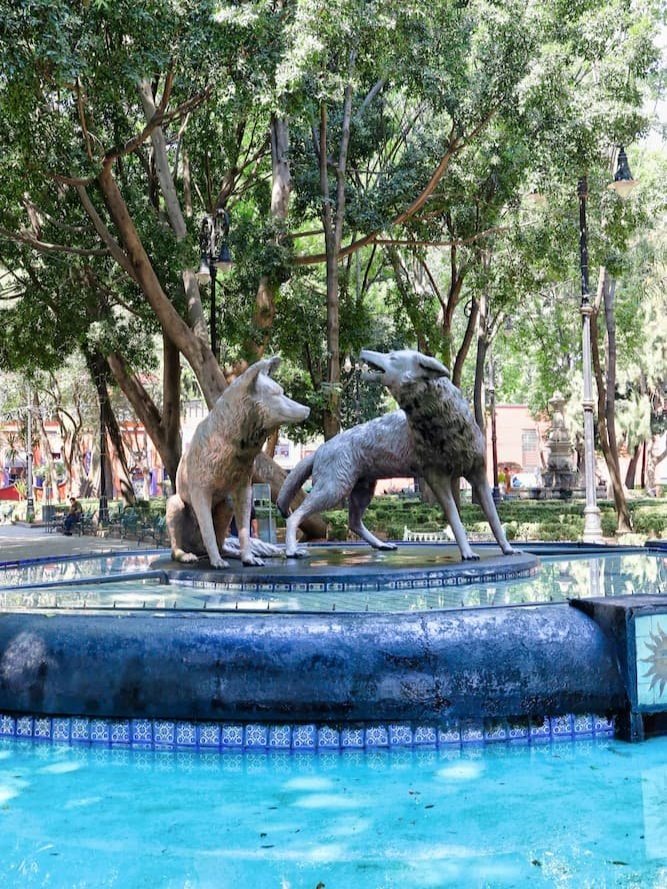
Sights from Coyoacán


Back to Roma Norte for dinner


Roma Norte is one of the trendiest neighborhoods in CDMX, known for its leafy streets, art deco architecture, and creative energy. Spend time wandering through boutique shops, stopping for coffee at design-forward cafés, and exploring the neighborhood’s vibrant food scene, from casual taquerías to upscale dining. Don’t miss a stroll through Plaza Río de Janeiro, a local favorite with a replica of Michelangelo’s David at its center.
While I couldn’t check off my entire wishlist for Roma Norta, I added my notes below in the accordion.
-
Supra roma rooftop
La Clandestina - mezcal bar
Bósforo - mezcal tasting
Casa Franca (Roma Norte)
Balmoori
El Parnita
Churrería El Moro (churros)
Gran Cibeles Café (coffee)
Panaderia Rosetta
Kulto
La Casa de Tono
Tacos el Califa
La Pitahaya Vegana
Tres Galeones (tacos)
Day 3: Grutas Tolantongo, Hildalgo
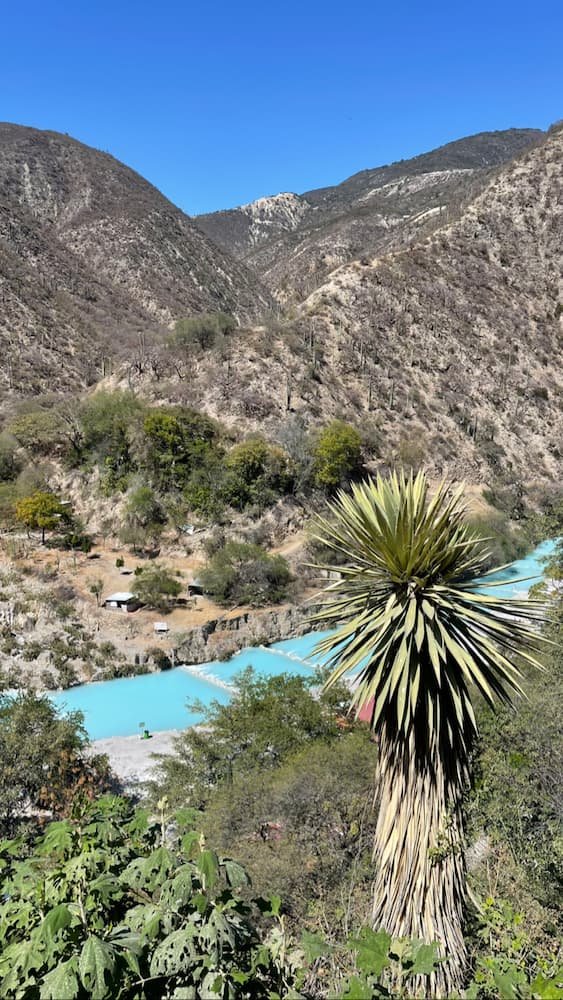
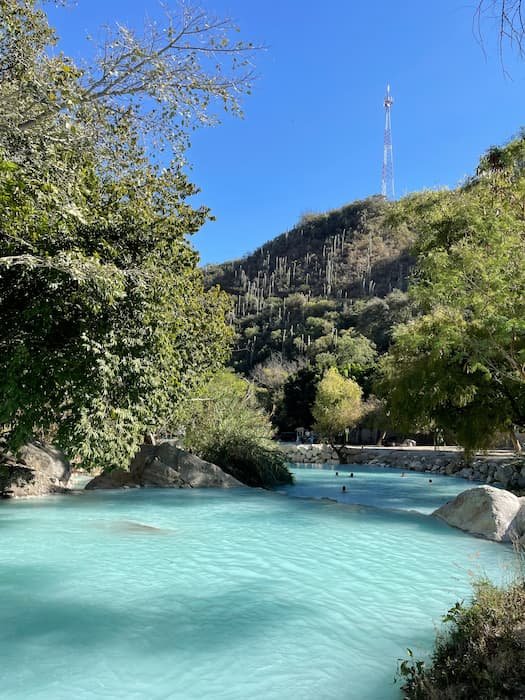
Located about four hours north of CDMX in the Mexican state of Hidalgo, Grutas Tolantongo (Caves of Tolantongo) is renowned for its unique and breathtaking geological features, including thermal river canyons, hot springs, caves and vibrant turquoise-blue water formations.
While I actually did this excursion on Day 2 of my trip, I’d recommend saving it for Day 3 or 4. The journey involves roughly a four-hour van ride each way, so it’s worth giving yourself a buffer day to rest and recharge beforehand.
I booked my visit through Airbnb (Exploring the Waters of Tolantongo), and it was absolutely worth it—the logistics alone make going with a guided tour the easiest option.
If you can, aim for a weekday visit. I went on a quiet Monday and was able to enjoy the park without heavy crowds, though I imagine it gets significantly busier during weekends and peak summer months.
The park has three main areas, each offering unique charm and allure.
"Pocitos" in Grutas Tolantongo
Hot Springs (Las Pocitas)
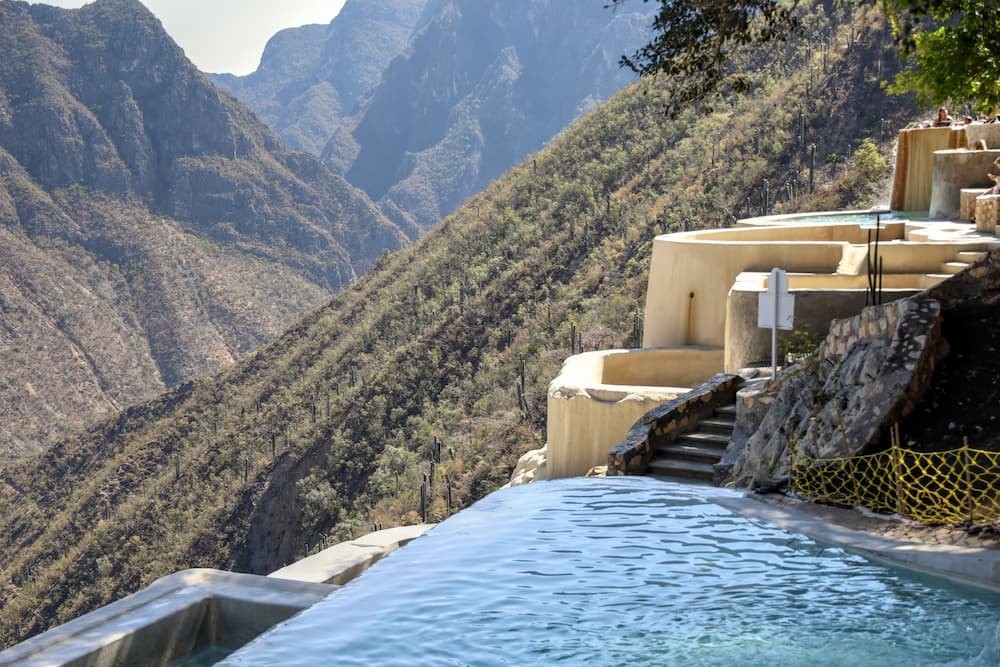
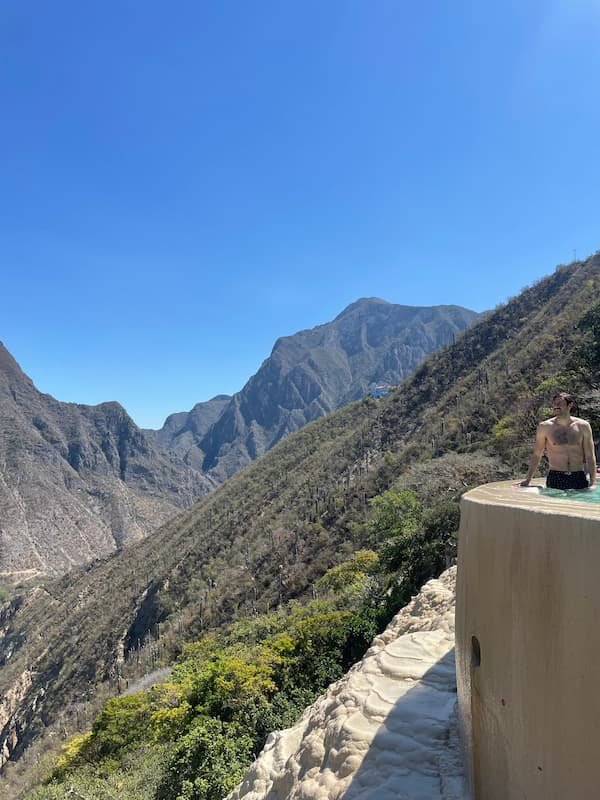
The “Pocitas” at Grutas Tolantongo are one of the park’s most iconic features—a series of small, terraced thermal pools built into the mountainside. Each pool varies in size and shape, creating a more intimate soaking experience.
Perched along the edge of the canyon, the pocitas offer sweeping views of the surrounding Sierra Madre Oriental, making them the perfect spot to relax and take in the scenery.
Caves
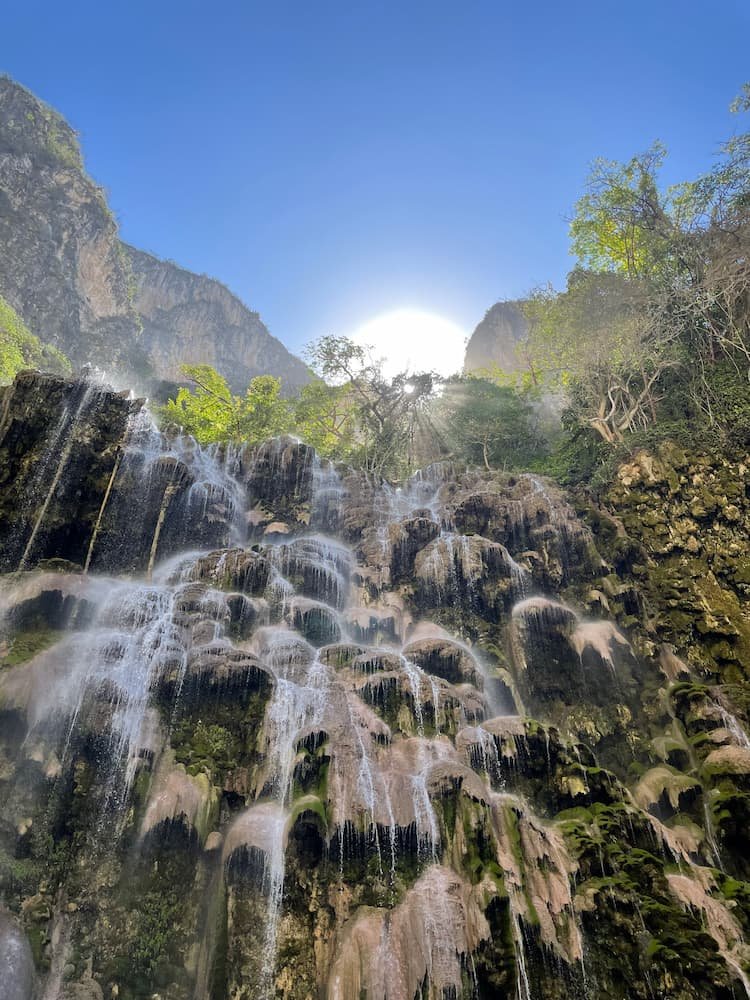
My favorite part of Grutas Tolantongo, the caves (“grutas”) feel like stepping into another world. Inside, you’ll find dramatic rock formations, cascading waterfalls, and warm, mineral-rich water flowing through the space—it’s equal parts surreal and relaxing.
River
We ended the day with lunch by the geothermal river, where the water is a striking, almost Gatorade-frost blue. Surrounded by cliffs, lush greenery, and rugged canyon walls, it’s the perfect spot to unwind after exploring.
Day 4: Market Tour + Museum Day
Market Tour
Kick off your final day in CDMX by diving into its vibrant market scene. I booked a guided tour that covered three of the city’s most iconic markets, offering a deeper look into local cuisine, traditions, and everyday life.
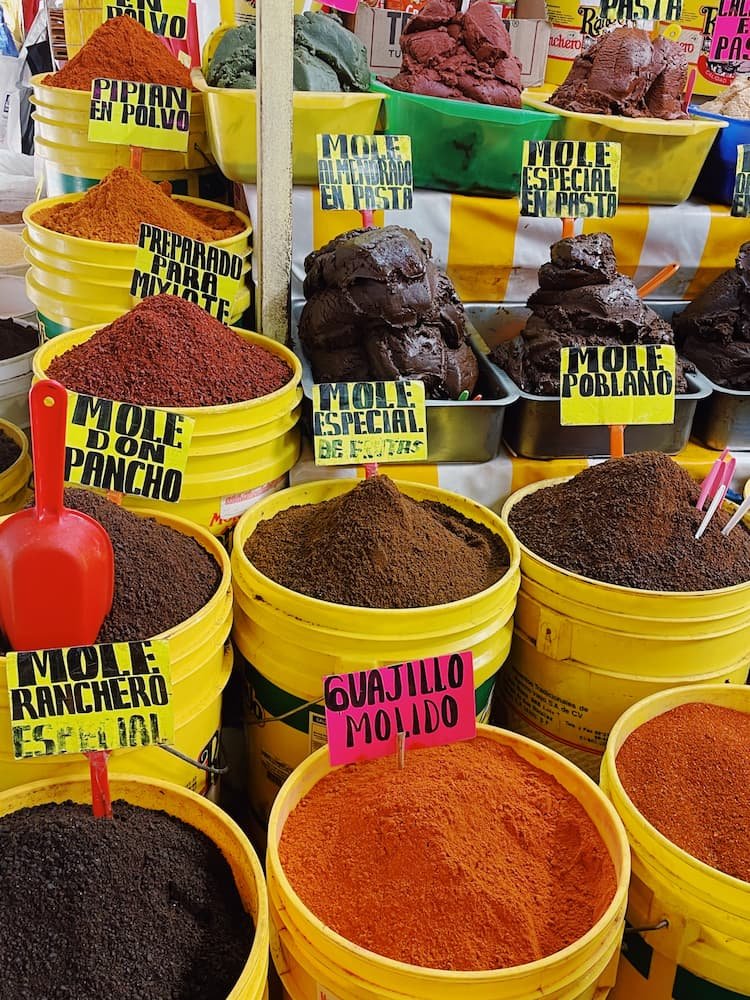
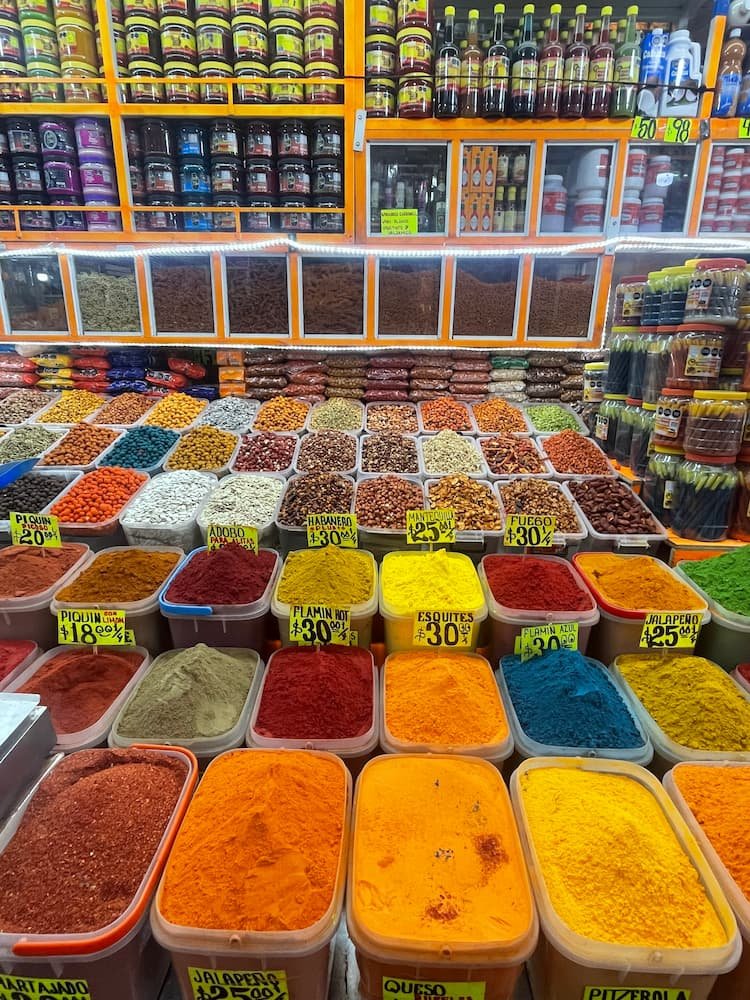
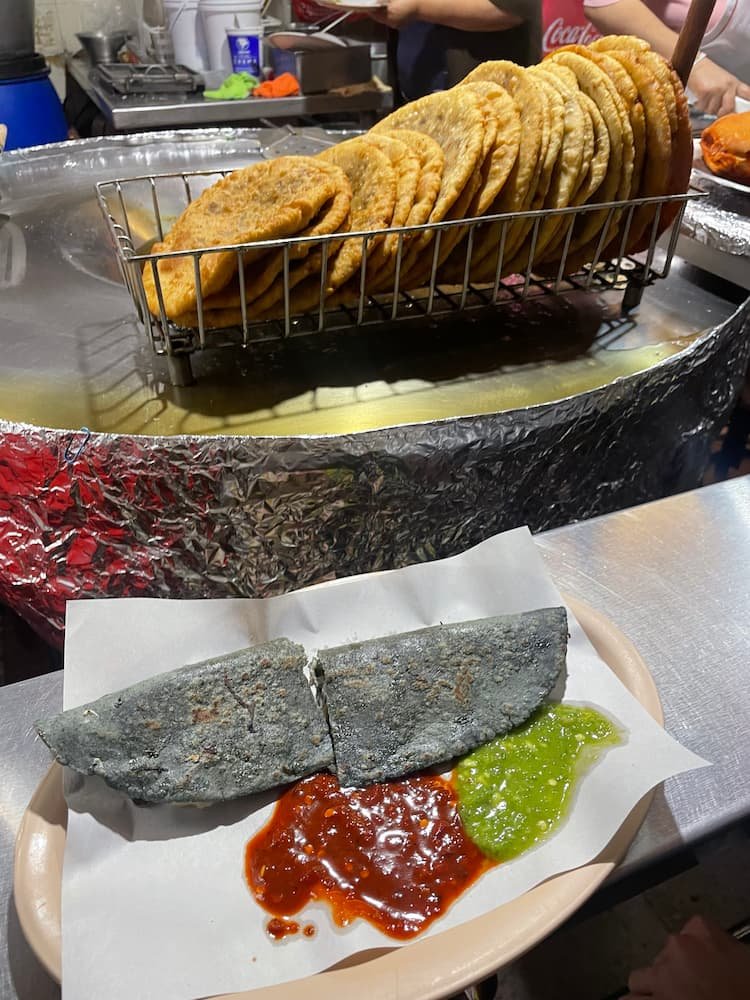
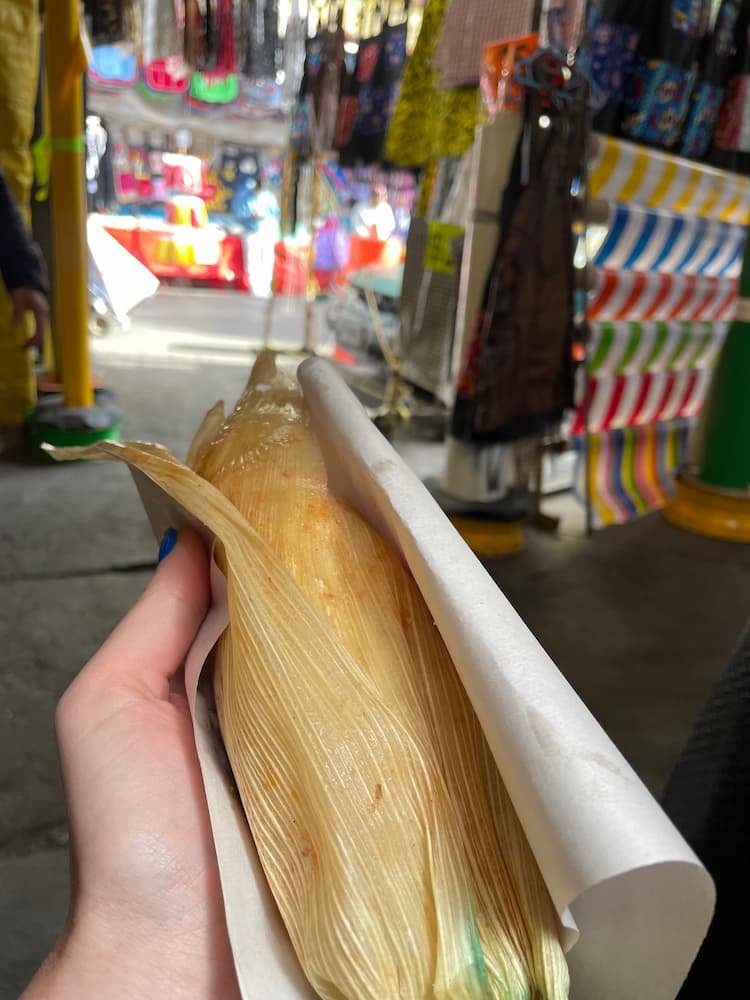
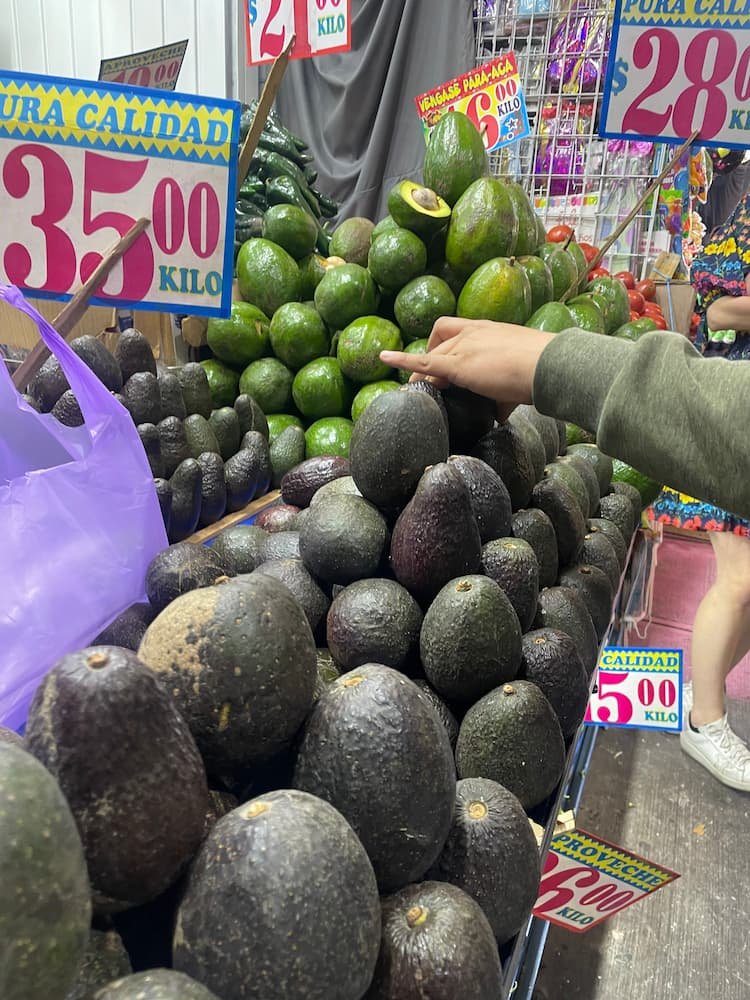
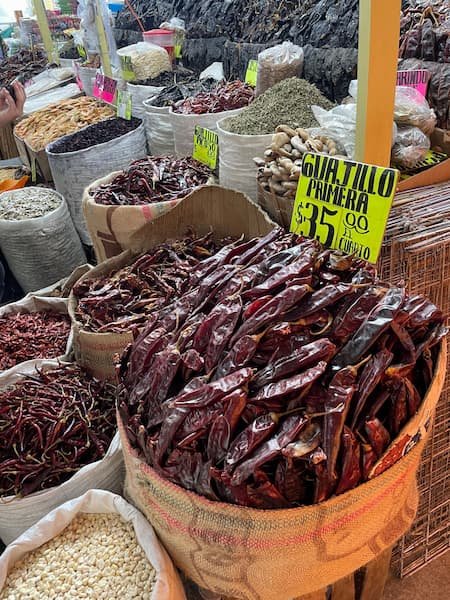
Our first stop was La Merced Market, the city’s largest traditional food market. It’s an explosion of color, flavor, and energy, packed with everything from chiles and cheeses to fresh tortillas and meats. The surrounding street food scene is just as impressive, with endless options like tacos, tamales, and quesadillas worth trying along the way.
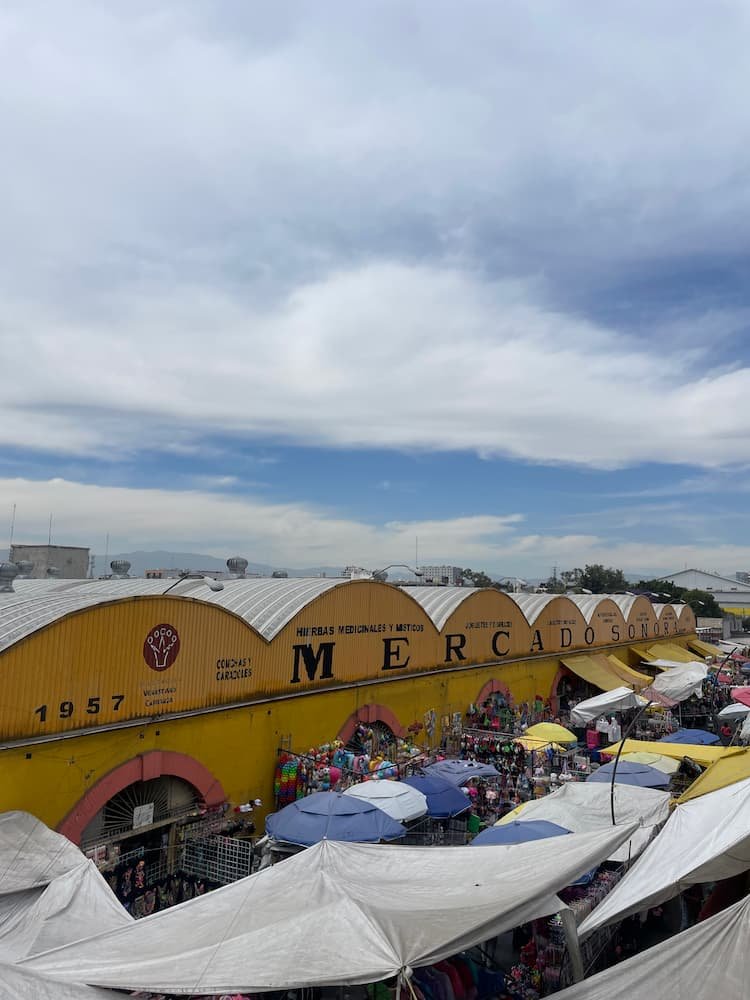
Our second stop was Mercado de Sonora (La Merced Sonora Market), known for its association with both “light” and “dark” magic. While it’s certainly unique, it wasn’t for me. Parts of the market involve practices tied to animal sacrifice, and after a brief warning from our guide, I chose to skip that section altogether.
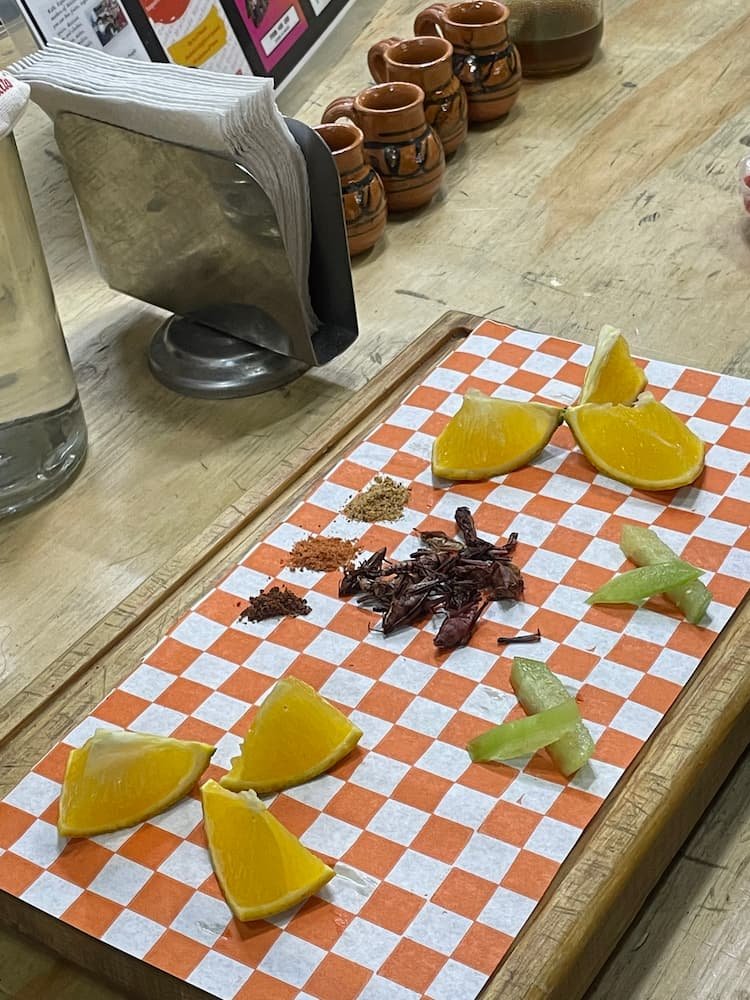
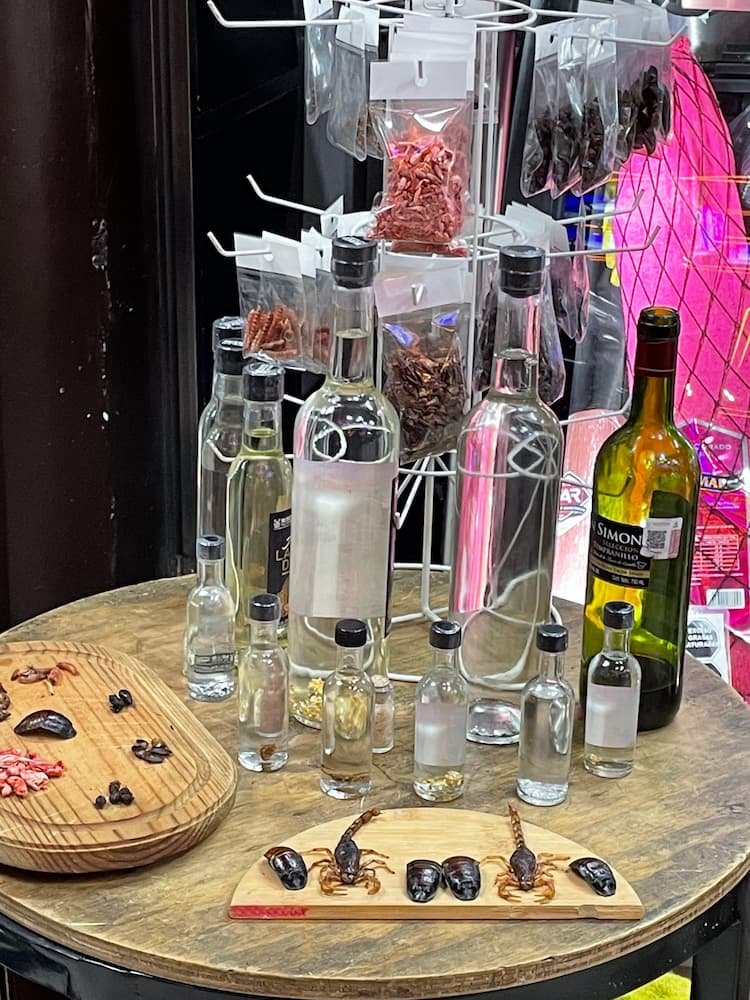
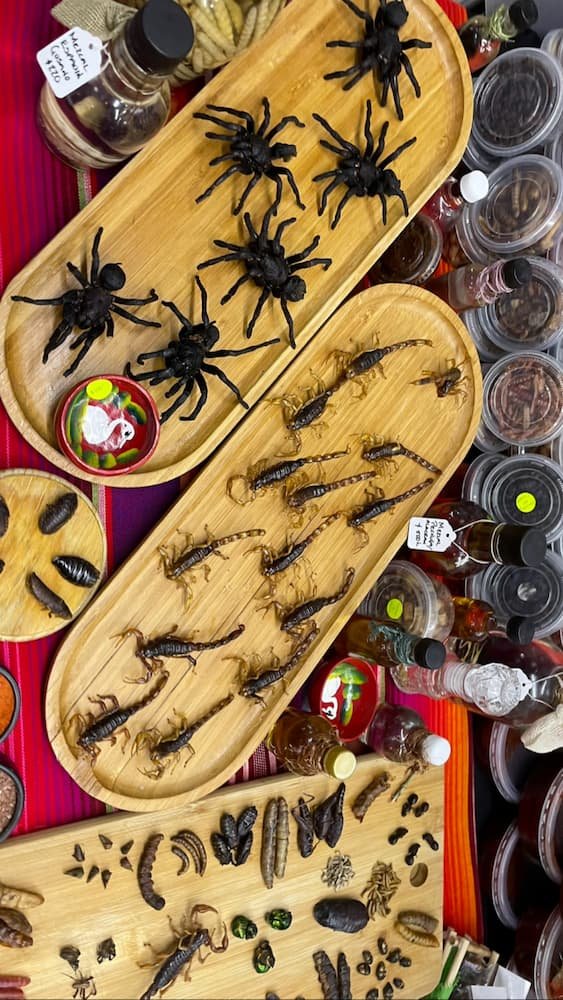
Our final stop was the renowned Mercado de San Juan, famous for its gourmet and unconventional offerings. And when I say unconventional, I mean it—everything from lion burgers and scorpions to kangaroo and other exotic meats.
I personally found it difficult to reconcile with some of the offerings, but if you’re feeling adventurous, this is the place to try something truly out of the ordinary. There are also plenty of insect-based dishes if you’re curious but want a slightly more approachable entry point.
Another gem just a short stroll from Mercado de San Juan is Mercado de Artesanías La Ciudadela (La Ciudadela). A true shopper’s paradise, it’s filled with a kaleidoscope of Mexican textiles, handcrafted goods, and vibrant folk art, an ideal place to pick up something unique. I personally never leave without browsing for beautifully embroidered pillowcases, which always feel like the perfect keepsake.
Museums
Mexico City is home to an incredible range of museums, making it easy to tailor a day around your interests. A few standout options include Chapultepec Castle, Museo Soumaya, and Museo de Arte Moderno.
If you only have time for one, make it the Museo Nacional de Antropología. It’s one of the most important museums in the world, offering a deep and comprehensive look at Mexico’s indigenous cultures, history, and heritage.
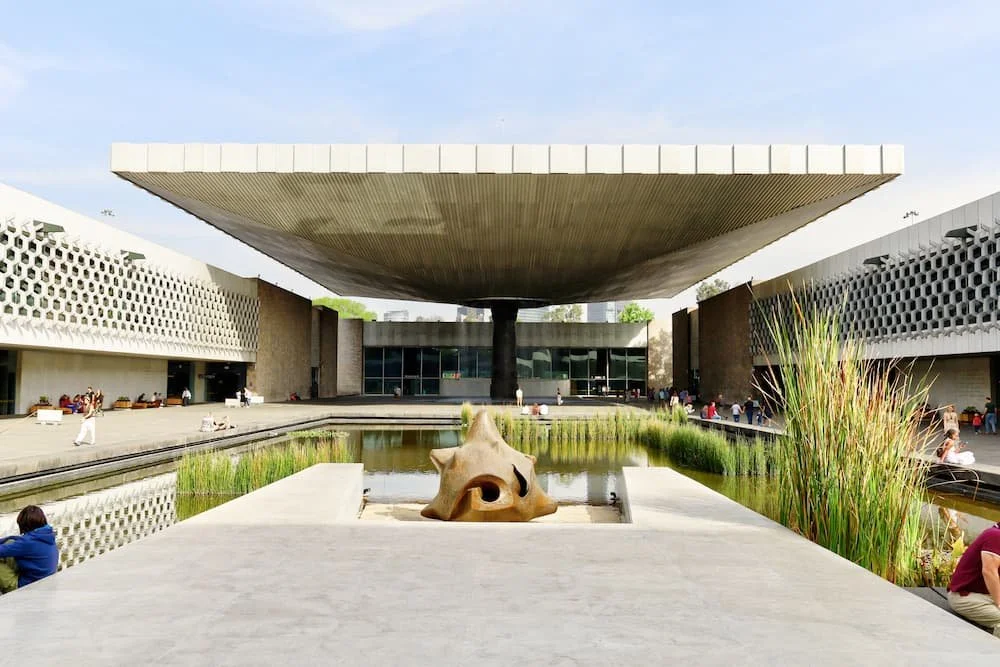
The Museo Nacional de Antropología building itself is a masterpiece of modern architecture.
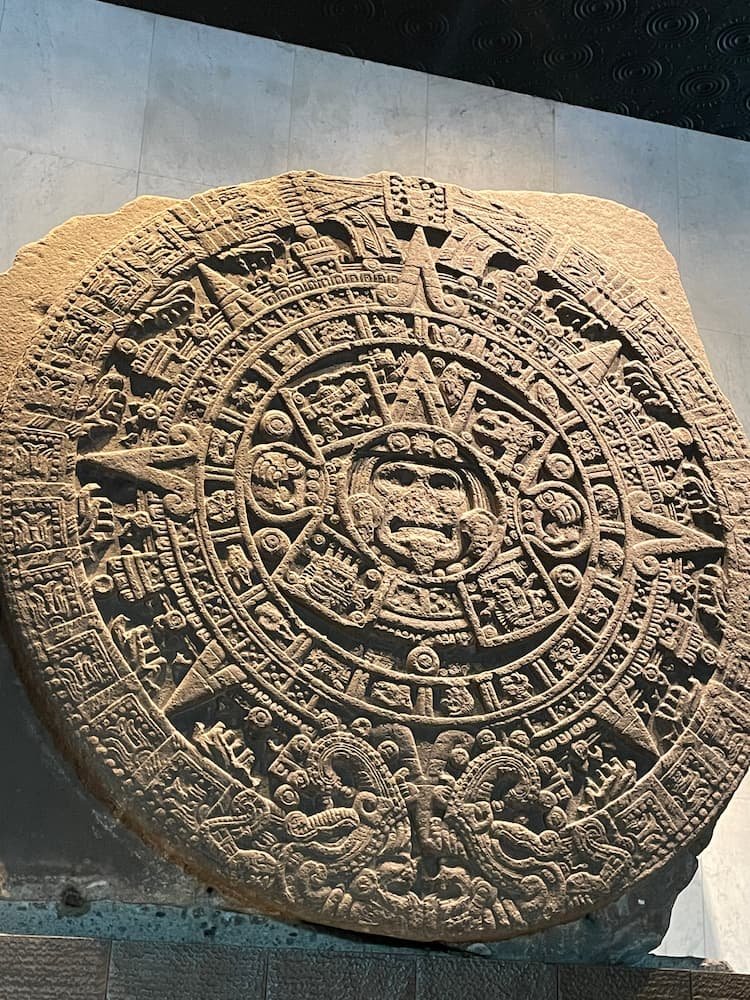
One of the true highlights is the Aztec Hall, where you’ll find the iconic Aztec Sun Stone, also known as the Stone of the Fifth Sun. This massive, intricately carved disk once played a central role in the Templo Mayor, the main temple of the Aztec capital, Tenochtitlan, and seeing it up close is just as impressive as you’d expect.
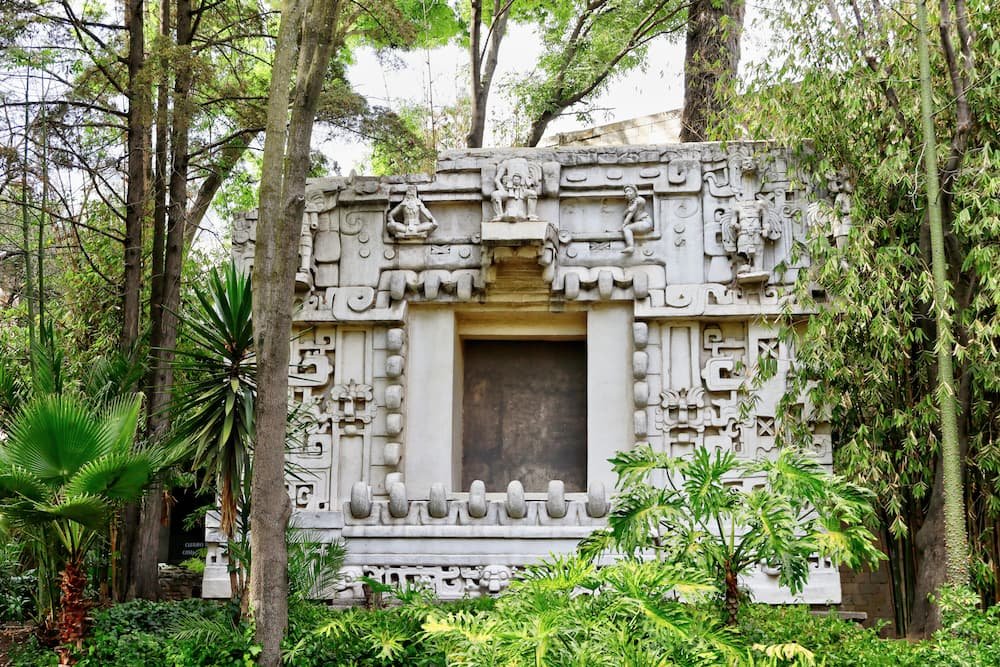
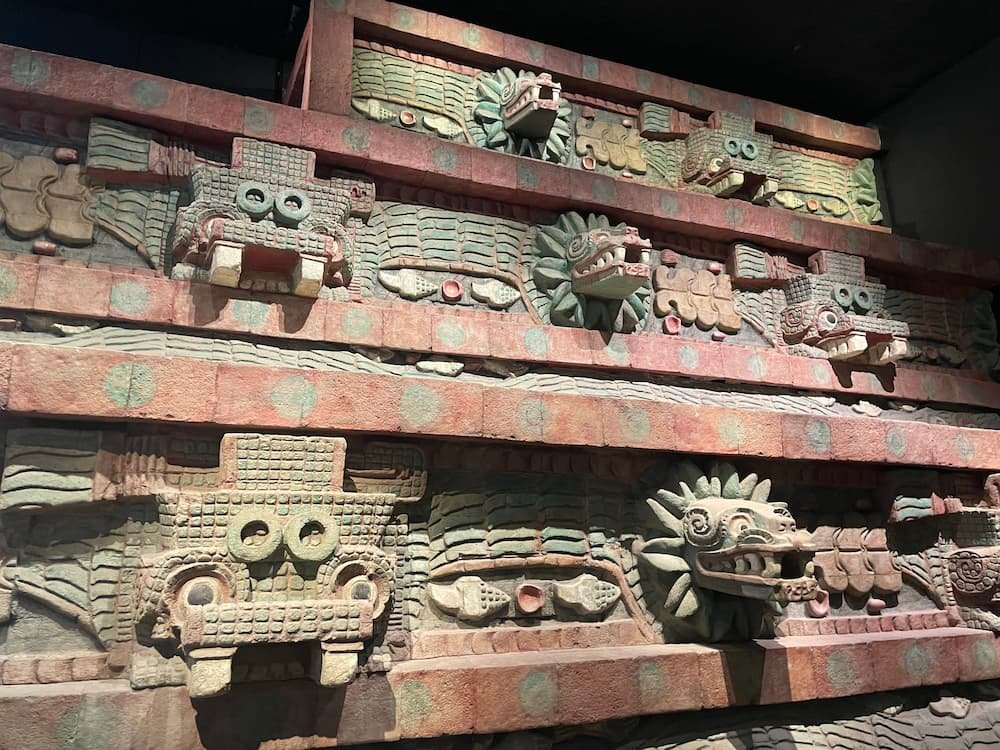
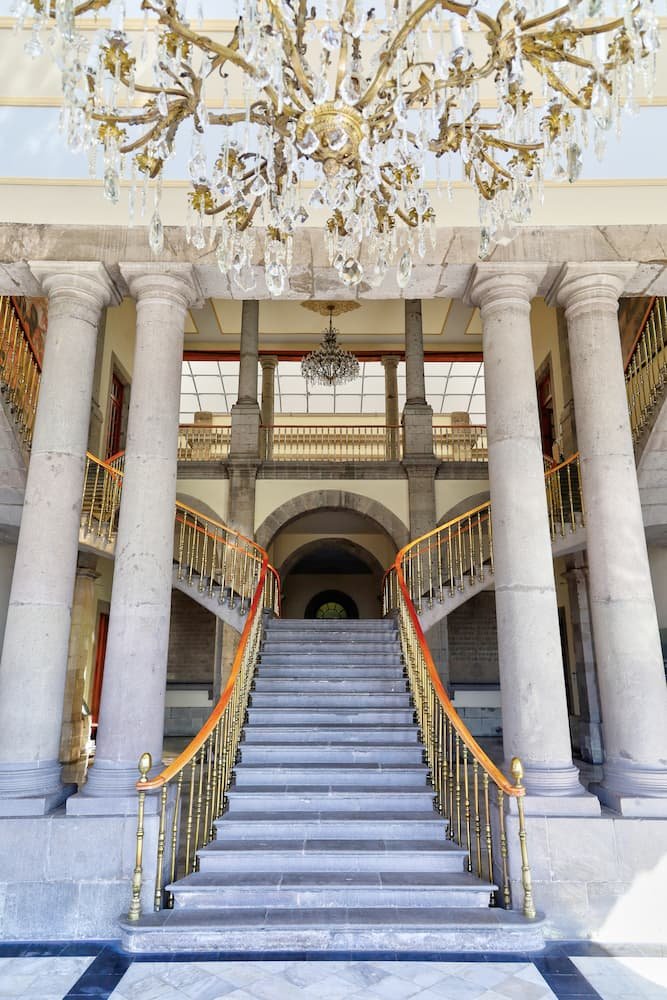
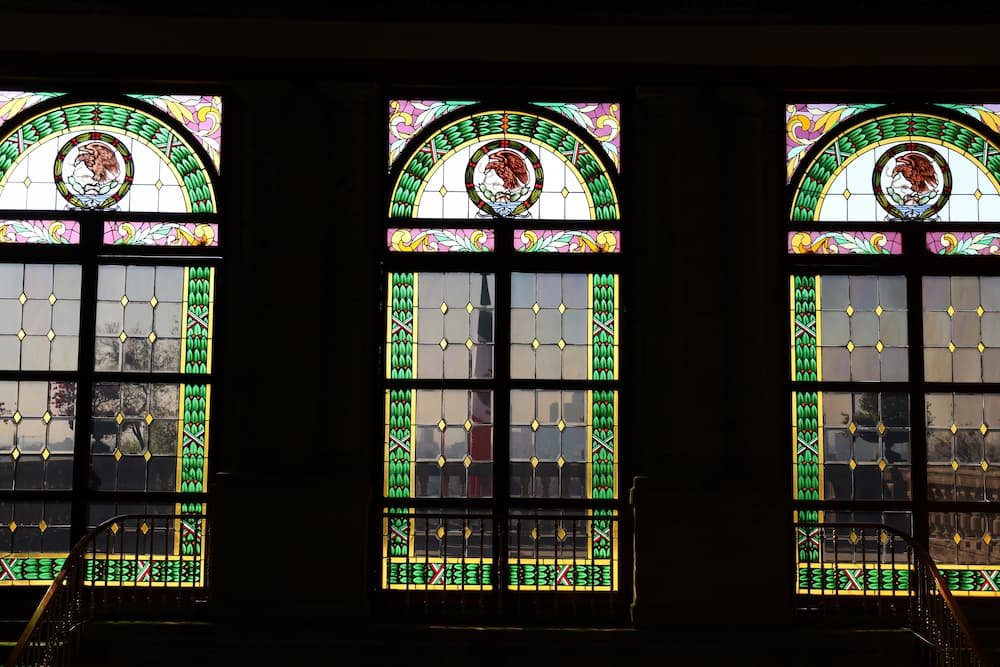
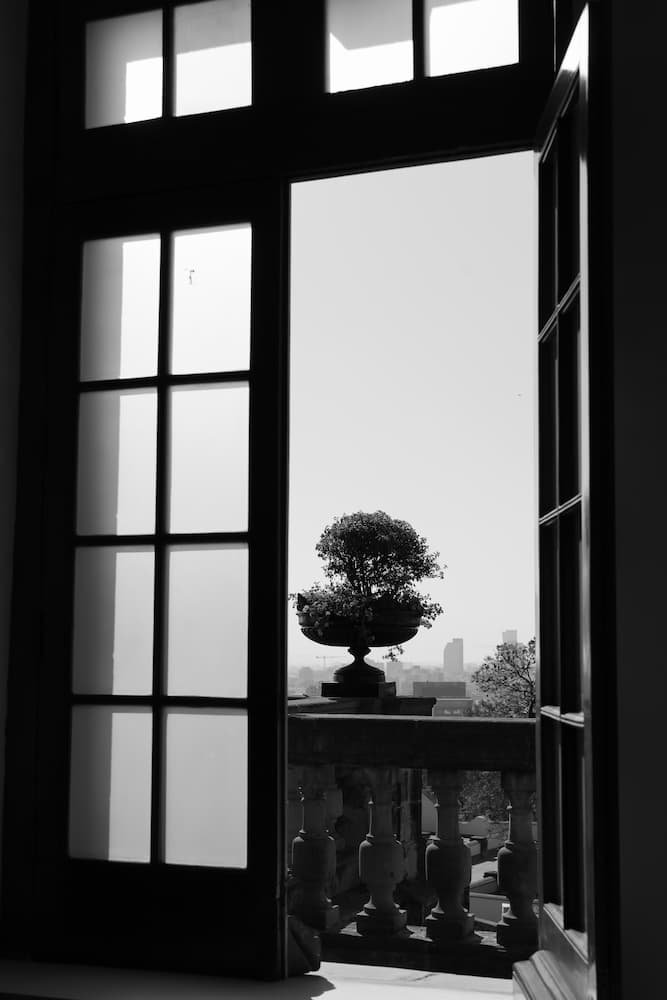
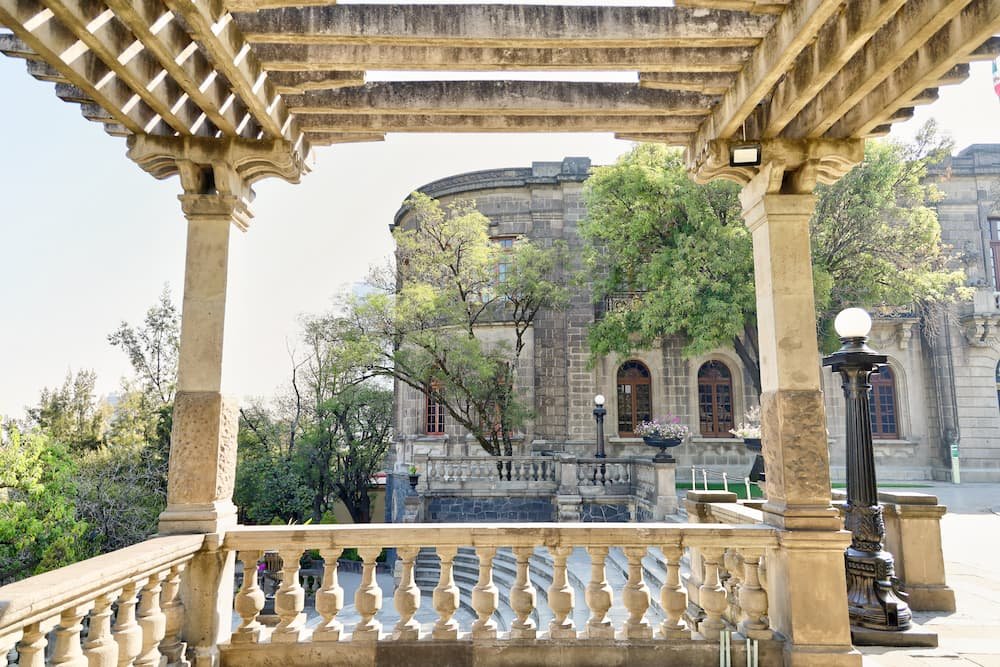
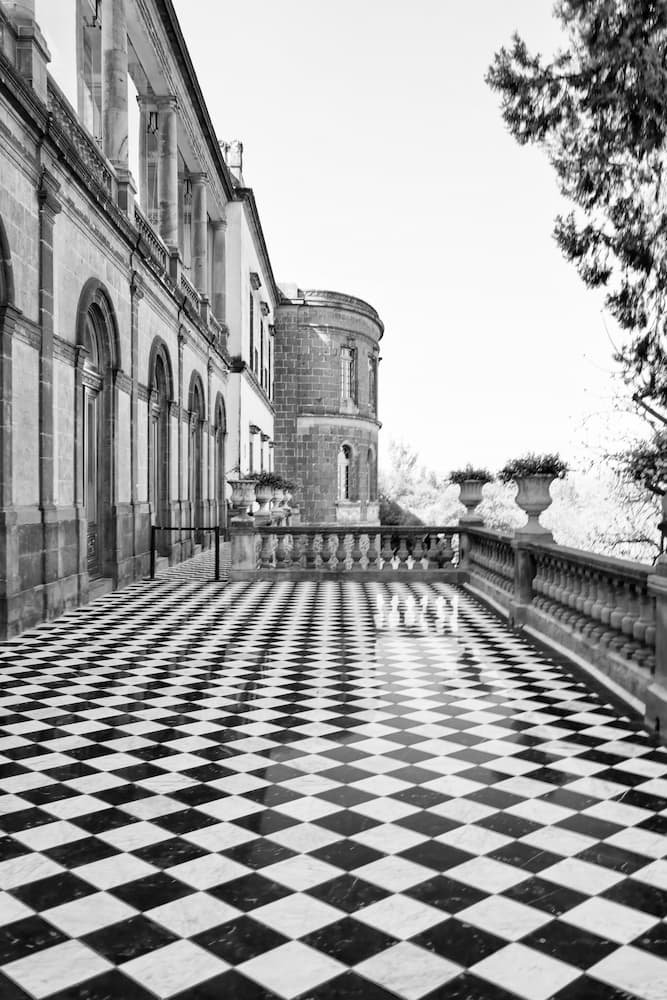
Just a short stroll from the Museo Nacional de Antropología sits Chapultepec Castle (Castillo de Chapultepec), perched atop Chapultepec Hill. With sweeping views of the city and a layered history spanning centuries, it’s a must-visit for anyone interested in Mexico’s past and culture.
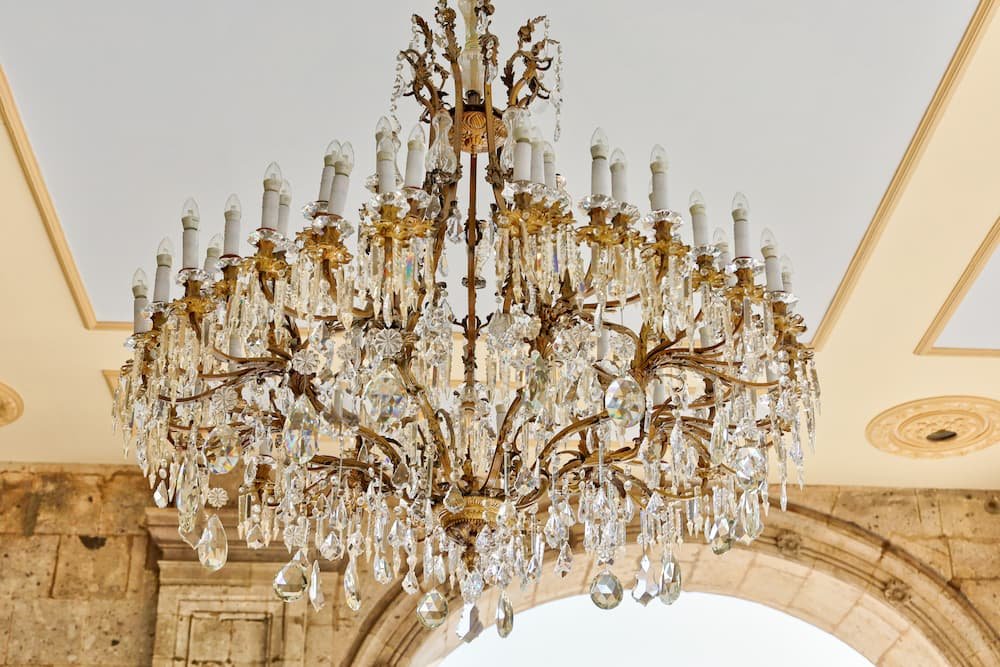
The story of this hilltop landmark dates back to the aftermath of the Spanish conquest in the 16th century, when the area was first developed as a country estate. The earliest structure on the site was a modest hermitage built in the late 1500s, marking the beginning of what would become one of Mexico City’s most iconic landmarks.
Final Thoughts
The first time I visited Mexico City in 2003, I was 15 and living with a host family in Cuernavaca to study Spanish. During that trip, I was attacked by a mugger, an experience that left me shaken and convinced I’d never return.
But time has a way of shifting perspective. When I came back years later with a more open mind, my experience was completely different. Staying in Roma Norte, I felt safe, comfortable, and genuinely able to enjoy everything the city has to offer.
I realized that my fear of Mexico City had been shaped by a single moment. Now, I travel with more awareness, keeping an eye on my surroundings, staying mindful in crowded areas, and taking the same precautions I would in any major city. Living in New York City has reinforced that mindset, these things can happen anywhere, but they can often be avoided with a bit of caution.
And on a lighter note: I deeply miss the food and weather. Writing this from a freezing New York winter (it’s 17°F / -8°C as I type), CDMX feels even more appealing.
If you’re looking for a destination that’s affordable, culturally rich, and home to some of the best food anywhere, I can’t recommend Mexico City enough.
Did I miss any hidden gems? I’d love your recommendations—drop them in the comments below!